The tenth Anthropology of Science and Technology Meeting (ReACT) will return to Rio de Janeiro in 2025, completing 18 years of existence and with a baggage of 9 meetings held in 7 different states.
A review of previous meetings points to a perceptible transformation of the initial impulse that guided the creation of the meeting in 2007. As the epitaph of the revolutionary leader Odo, a character in Ursula Le Guin’s science fiction novel The Dispossessed, says, “the real journey is the return”. Not because it’s a return to the same, to the familiar, but because it’s always on the way back that we realize the transformations we’ve undergone on the journey, as in all good fieldwork. In this return to Rio, the tenth ReACT seeks to reflect on and mobilize the transformations felt in its last editions, exploring the ethnographic potential that has been opened up around them in the study of sciences and technologies and the proximities and tensions that they have made explicit between scientific knowledge and that knowledge treated by anthropologists as “native knowledge” – non-scientific and non-academic.
Called upon to face these different modes of knowledge symmetrically – inside and outside the sciences, inside and outside academia – Anthropology finds itself implicated, if it wants to honor its vocation for dialogue, in a transformation of the “safe distance” created by it and other sciences to deal with other ways of thinking. The symmetrization operated by anthropology can therefore never be understood as an equivalence, insofar as it relates modes of existence and ecologies of practices that are irreducible to each other. And it is precisely in the possibility of an encounter between the different as different, the roughness of this encounter, the very divergence around the encounter, that we believe a true relationship can be produced, avoiding the ever-lurking trap of one of the poles ending up encompassing or overcoding the other.
But the ways of relating knowledge and practices in ReACT’s history” also evoke another important inflection in its path: that of shifting from the empirical study of techniques and sciences to that of their consequences, whether intentional or unintentional, which refers to the themes of climate catastrophes, the intrusion of Gaia, the Anthropocene, the Capitalocene, the Plantationcene, the Xawara epidemic, among many other ways of naming and describing the ecologies of proliferation of death, toxicity and ruins currently underway. And in the possible alliances resulting from this inflection, it is the technical stories that matter – both in terms of the collectives that anthropology has historically tried to learn from, and the potentially creative scientific practices that are the object of anthropological investigation. In other words, what matters are experiences and situations in which successes, pitfalls and defeats are thought about in the company of those gathered around them, and who, by thinking about them together, find ways of transforming them.
These alliances make it necessary, in turn, to think by the milieu, in other words, for knowledge to always be situated in such a way as to remove from the sciences the pretension of establishing a point of view of the whole, as a precaution to their will to power, which subjugates, annuls and exterminates other ways of thinking and being in the world. In this sense, dialogues between scientific practices and knowledge and other practices and knowledge cannot be reduced to a movement of appropriating words and thoughts from people and collectives outside the sciences. It is precisely in the opposite movement – of an anthropology taken up by other knowledges and practices – that we understand that a sensitively interesting transformation can take place. Thus, by drawing inspiration from the thinking of Antônio Bispo dos Santos, considering his unrestricted counter-colonial stance, that of someone who does not allow himself to be conditioned and knows that it is in the dignity of his people that his strength lies, we aim to continue expanding the Anthropology of Science and Technology Network in its transversal relations between practices and modes of knowledge. The aim is that this transversality can evoke a vital and creative power capable of transforming worlds and making the Earth, or lands, habitable places worth living in. And may we then celebrate, at this tenth meeting, these ever improbable encounters that we hope are, and continue to be, germinating encounters.
Schedule
March 11th
Call for proposals for thematic seminars
April 14th
Deadline for proposals for thematic seminars
May 8th
Call for abstracts for presentation of papers
June 16th
Deadline for submission of abstracts for presentation of papers
July 4th
Announcement of approved papers
July 31th
Release of the event’s full event program
October 6th to 10th
10th Anthropology of Science and Technology Meeting
October 17th
Deadline for submitting full papers for the event’s proceedings
FULL PROGRAM
OCT/06
MONDAY
REGISTRATION
2:00 PM – 5:00 PM
BOOK LAUNCHES
2:00 PM – 5:00 PM
OPENING CEREMONY
5:00 PM – 6:30 PM
OPENING LECTURE
Sarah Vaughn (UC Berkley)
Moderation: Maria Raquel (UERJ)
Venue: Odylo Costa Filho Theater
6:30 PM – 8:00 PM
OCT/07
TUESDAY
PANEL 1: COSMOTECHNICS AND RACIALIZATION
Nina da Hora (Unicamp),
Lucas Marques (USP),
Rosana Castro (IMS/ UERJ),
Floriberto Vasquez (Universidad
Comunal del Cempoaltepetl)
Moderation: Kauã Vasconcelos (UFRJ)
Venue: Chapel (Capela)
9:00 AM – 12:00 PM
THEMATIC SYMPOSIA (DAY 1)
2:00 PM – 5:00 PM
LECTURE
Manuela Carneiro da Cunha (USP)
Francy Baniwa (PPGAS/MN – UFRJ
Moderation: Julia Sá (UFRJ)
Venue: Chapel (Capela)
6:00 PM – 8:00 PM
OCT/08
WEDNESDAY
PANEL 2: CULTIVATION AND CARE
Joana Cabral de Oliveira (Unicamp)
Adilson Almeida (Quilombo do Camorim)
Kristina Lyons (University of Pennsylvania)
Gabriel Holliver (DAC-UFRJ)
Moderation: Iby Montenegro (PUC-RJ)
Venue: Chapel (Capela)
9:00 AM – 12:00 P
THEMATIC SYMPOSIA (DAY 2)
2:00 PM – 5:00 PM
LECTURE
Sueli Maxakali, Isael Maxakali,
Roberto Romero
Moderation: Victor Amante (UFRJ)
Venue: Chapel (Capela)
6:00 PM – 8:00 PM
OCT/09
THURSDAY
PANEL 3: CREATION AND RECLAIMING
Viviane Vedana (UFSC)
Thiago Mota Cardoso (UFAM)
Silvana Olivieri (UFBA)
Marcelo Paz Olajinmina (Quilombo do Salgueiro)
Moderation: Anelise Gutterres (LACED, UFRJ)
Venue: Chapel (Capela)
9:00 AM – 12:00 PM
THEMATIC SYMPOSIA (DAY 3)
2:00 PM – 5:00 PM
LECTURE
Silvana Olivieri (UFBA)
Bénédicte Boisseron (University of Michigan)
Moderation: Felipe Sussekind (PUC-RJ)
Venue: Chapel (Capela)
6:00 PM – 8:00 PM
OCT/10
FRIDAY
ROUTES AND WORKSHOPS
9:00 AM – 12:00 PM
PANEL 4: UNDERGROUND HISTORIES
Andrea Ballestero (University of
Southern California)
Lucas Coelho Pereira (UFPB)
Maria Raquel Passos Lima (UERJ)
Rafael Gustavo de Oliveira (UFPR)
Moderation: Ana Clara Chequetti (UERJ)
Venue: Chapel (Capela)
2:00 PM – 5:00 PM
LECTURE
Joelson Ferreira (Teia dos Povos)
e Houria Bouteldja
Moderation: Rodrigo Bulamah (UERJ)
Venue: Chapel (Capela)
6:00 PM – 8:00 PM

KEYNOTE SPEAKERS
October 6
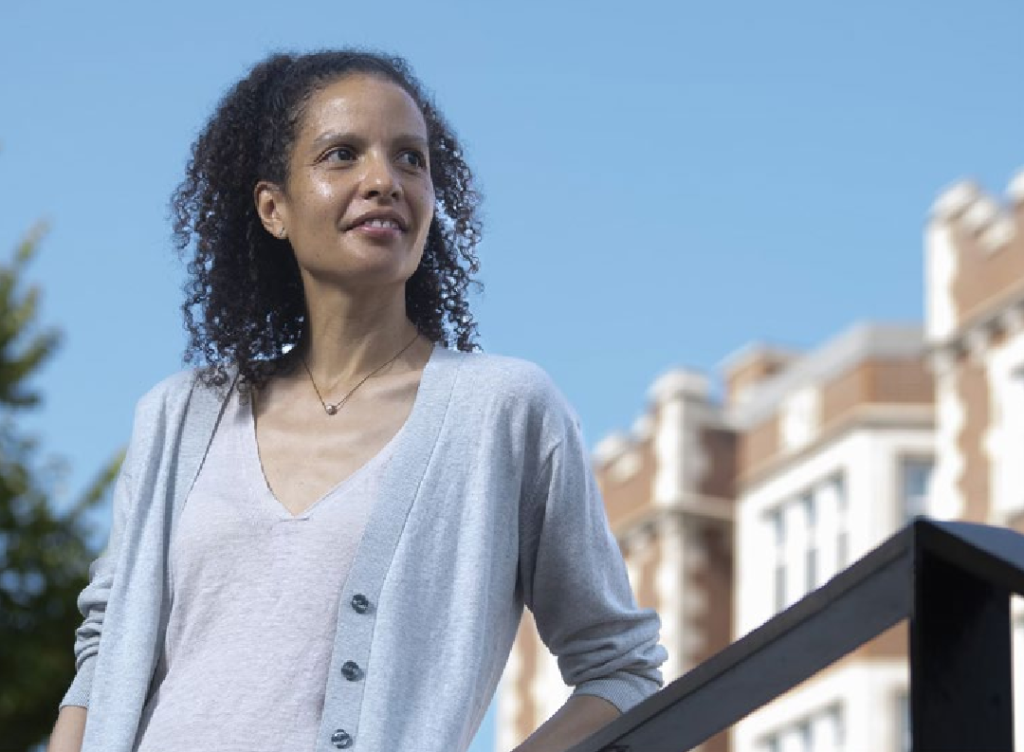
SARAH E. VAUGHN
UC / Berkley
Sarah E. Vaughn is Associate Professor of Anthropology at the University of California, Berkeley. Her research agenda involves developing a critical social theory of climate adaptation from an ethnographic perspective. Over the last decade, she has conducted archival research and ethnographic fieldwork with actors involved in implementing climate adaptation projects across the Caribbean. She is the author of Engineering Vulnerability: In Pursuit of Climate Adaptation (2022).
October 7
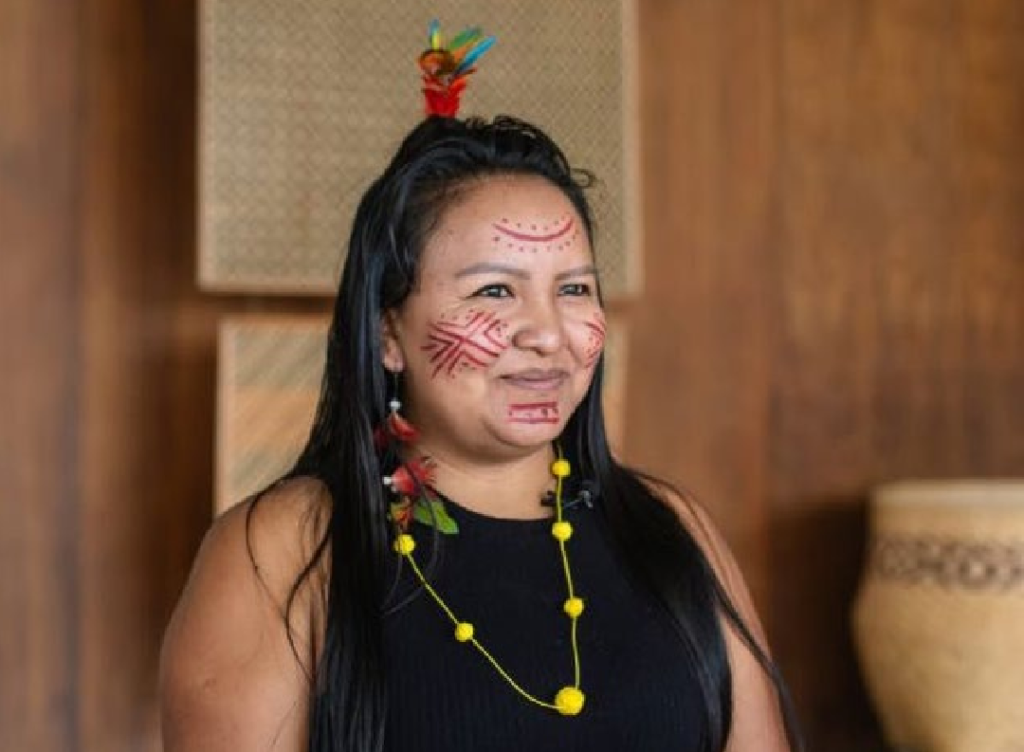
Francy Baniwa
MAC/USP
Anthropologist, farmer, photographer, screenwriter, writer, and researcher of the Baniwa people, Waliperedakeenai clan. Born in the community of Assunção, on the Lower Içana River (Amazonas, Brazil), she holds a master’s and a PhD in Social Anthropology from the National Museum (UFRJ). Her work focuses on Indigenous ethnology, gender, women’s knowledge, and audiovisual media. She is the author of Umbigo do mundo (2023), the first anthropology book written by an Indigenous woman in Brazil. She coordinates the Escola Viva Baniwa and is curator of the Museu das Amazônias (2025–2026). Currently a postdoctoral fellow at MAC-USP, she participates in various research groups at UFRJ, USP, and Princeton. Her trajectory combines science, art, and activism to build new narratives from Indigenous perspectives.

Manuela Carneiro da Cunha
USP
Maria Manuela Carneiro da Cunha is an anthropologist, with a PhD in Social Sciences from Unicamp and a degree in mathematics from the University of Paris. She has taught at Unicamp, USP, and the University of Chicago, where she is Professor Emerita. She played a key role in the 1988 Brazilian Constitutional Assembly in defense of Indigenous rights and presided over the Brazilian Anthropological Association (1986–88). She is a member of the Brazilian Academy of Sciences, the Arns Commission, and the Human Rights Observatory of Brazil’s National Council of Justice. She has received numerous distinctions, including the National Order of Scientific Merit (Grand Cross), the Légion d’Honneur, and the Jabuti and ANPOCS Awards. She is the author of foundational works such as Os mortos e os outros (1978), História dos índios no Brasil (1992), and Enciclopédia da Floresta (2002). She founded the Center for Indigenous History and Indigenism at USP and has led projects on traditional knowledge, cultural policies, and biodiversity, supervising more than 30 master’s and doctoral students.
October 8
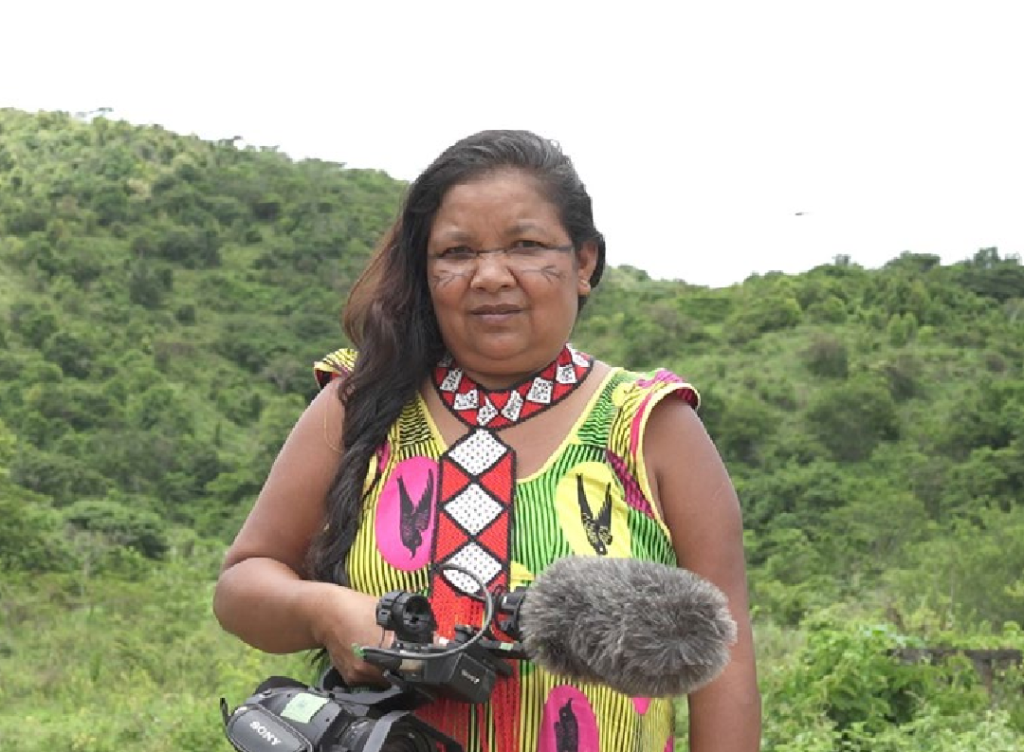
Sueli Maxakali
Sueli Maxakali holds a PhD in Literature (Recognized Expertise) from UFMG and is a filmmaker, professor, and multidisciplinary artist. She directed the short film Yãy tu nũnãhã payexop: encontro de pajés and co-directed the feature films Quando os yãmĩy vêm dançar conosco (2011), Yãmĩyhex: as mulheres-espírito (2019), Nũhũ yãgmũ yõg hãm: essa terra é nossa! (2020), and Yõg Ãtak: Meu Pai, Kaiowá (2024). She published the photo book Koxuk Xop Imagem (Beco do Azougue, 2009). She was a guest artist at the 43rd São Paulo Art Biennial and at the 7th CURA – Belo Horizonte Urban Art Circuit. In 2020, she led a movement of more than one hundred Tikmũ’ũn-Maxakali families in the struggle for new land. In 2021, these families reclaimed ancestral territory in the Itamunheque region (Teófilo Otoni, MG), where they established the Aldeia-Escola-Floresta, a project combining art, education, and agroecology.
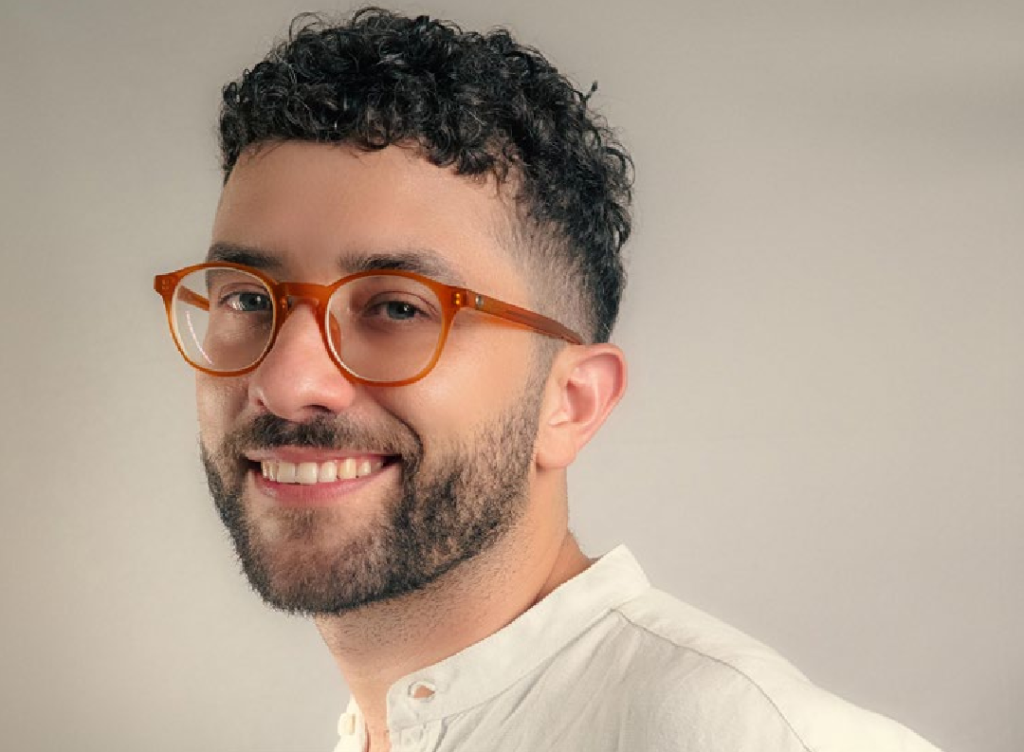
Roberto Romero
UFRJ
Roberto Romero holds a PhD in Social Anthropology from the National Museum (UFRJ). He is a member of the Associação Filmes de Quintal and a collaborator of forumdoc.bh, Belo Horizonte’s documentary and ethnographic film festival. He was assistant director of Yãmĩyhex: as mulheres-espírito (Sueli and Isael Maxakali, 2019) and co-director of Nũhũ yãgmũ yõg hãm: essa terra é nossa! (2020) and Yõg Ãtak: Meu Pai, Kaiowá (2024). He currently serves as coordinator of intercommunity articulation and communication at the Hãmhi Terra Viva project.
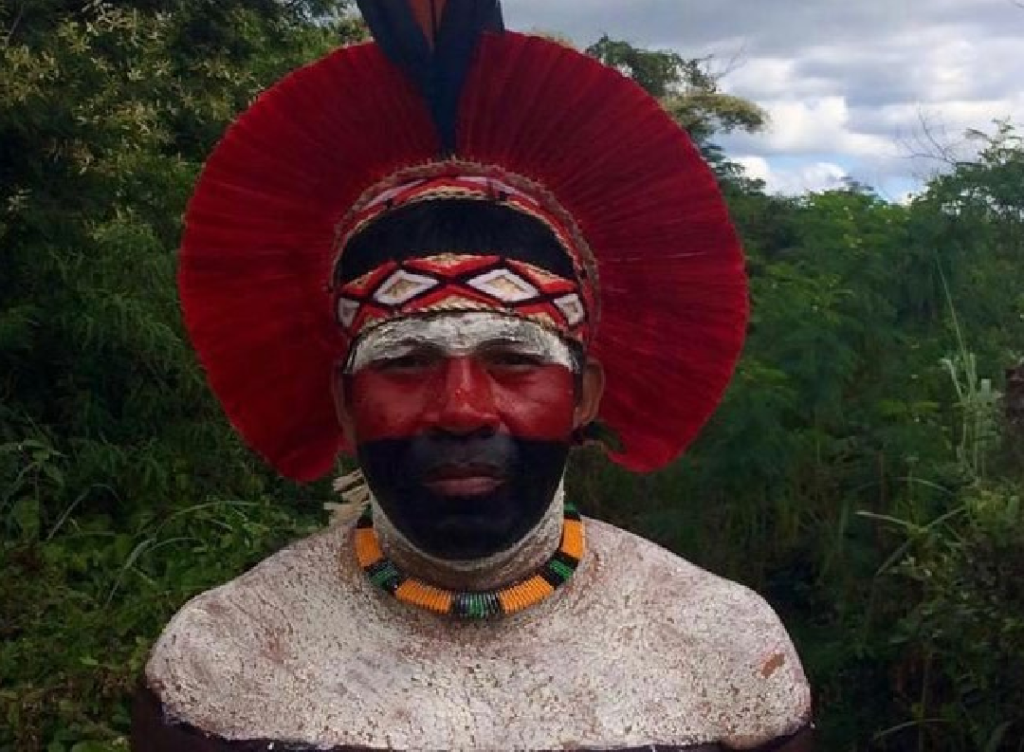
Isael Maxakali
Isael Maxakali holds a PhD in Communication (Recognized Expertise) from UFMG and is a filmmaker, professor, and visual artist. He directed numerous films, including Tatakox (2007), Xokxop pet (2009), Yiax Kaax – Fim do Resguardo (2010), Xupapoynãg (2011), Kotkuphi (2011), Yãmĩy (2011), Mĩmãnãm (2011), Quando os yãmĩy vêm dançar conosco (2011), Kakxop pit hãmkoxuk xop te yũmũgãhã (“Initiation of the Sons of the Spirits of the Earth,” 2015), Konãgxeka: o Dilúvio Maxakali (2016), Yãmĩyhex: as mulheres-espírito (2019), Nũhũ yãgmũ yõg hãm: essa terra é nossa! (2020), and Yõg Ãtak: Meu Pai, Kaiowá (2024). He has twice taught in UFMG’s Transversal Training Program in Traditional Knowledge. In 2020, he won the online PIPA Prize, one of Brazil’s most prestigious contemporary art awards.
October 9
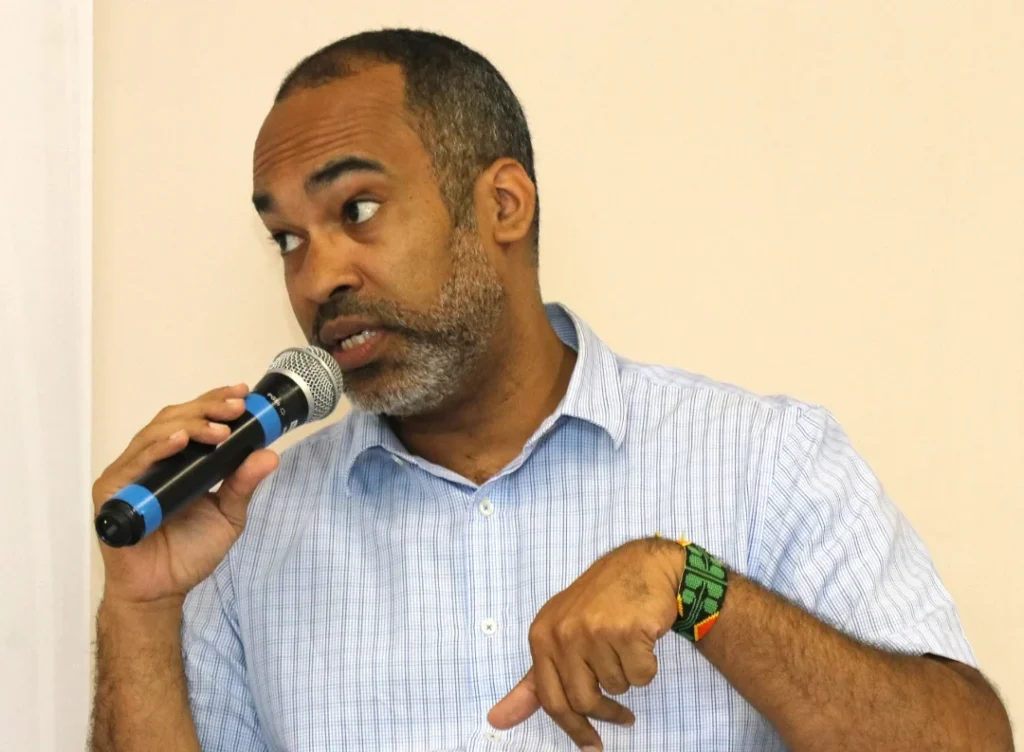
Uirá Garcia
UNIFESP
Professor at the Federal University of São Paulo (UNIFESP), PhD in Social Anthropology from USP, with postdoctoral studies at UNICAMP. He holds a degree in Social Sciences from UFF and conducts ethnographic research with the Guajá, an Indigenous people of Maranhão. He is a member of the Center for Amerindian Studies (CEstA/USP) and the Center for Symmetrical Anthropology (NAnSi/National Museum–UFRJ). In 2019, he was a Visiting Scholar in the Department of Anthropology at the University of California, Davis. His work focuses on Amazonian Indigenous ethnology and anthropological theory, with emphasis on hunting and ecology, kinship, knowledge systems, and action. His research seeks to understand Amerindian lifeways and cosmologies, articulating relations between humans and non-humans.
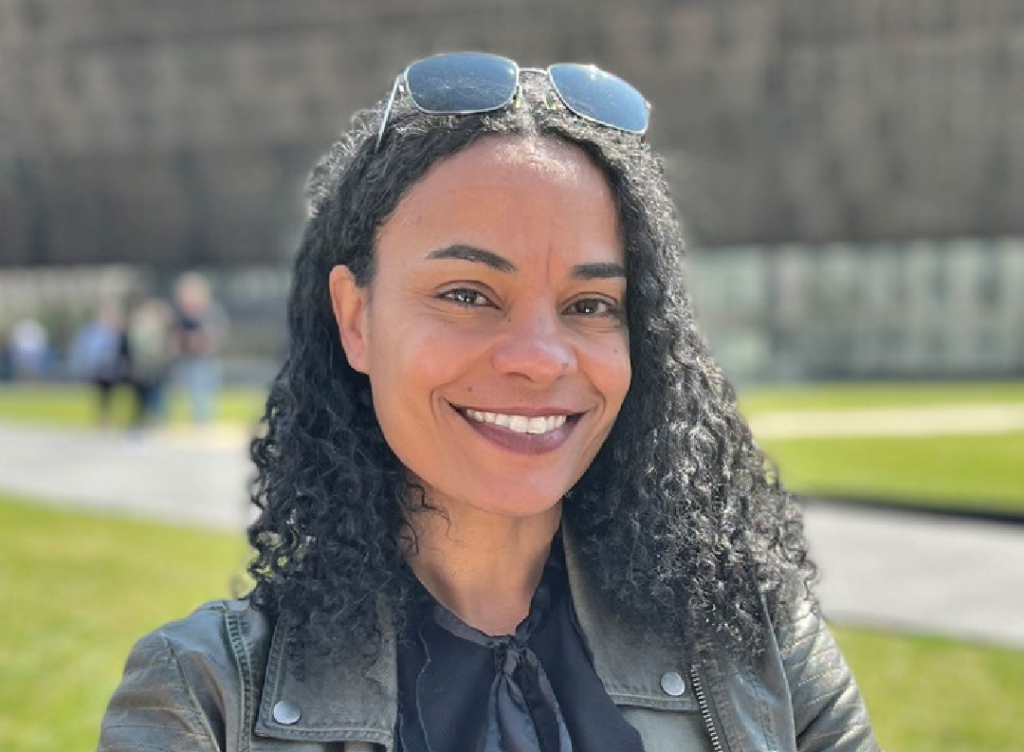
Bénédicte Boisseron
University of Michigan
Born in Paris to a French mother and a French-Caribbean father (from Guadeloupe), Bénédicte Boisseron is a scholar of African American, Afro-Caribbean, and Francophone studies. Her work addresses Black diaspora studies, animal studies, and the environmental humanities. Her first book, Creole Renegades: Rhetoric of Betrayal and Guilt in the Caribbean Diaspora (2014), received the Nicolás Guillén Prize for Outstanding Book from the Caribbean Philosophical Association (2015) and the Barbara Christian Literary Award from the Caribbean Studies Association (Honorable Mention, 2015). Her second book, Afro-Dog: Blackness and the Animal Question (2018), engages current debates on Black life and animal rights in the history and culture of the Americas and the Black Atlantic. She is Professor of Afroamerican and African Studies at the University of Michigan, Ann Arbor, and an external affiliate of the Sarah Parker Remond Centre for the Study of Racism and Racialisation, Institute of Advanced Studies, University College London.
October 10
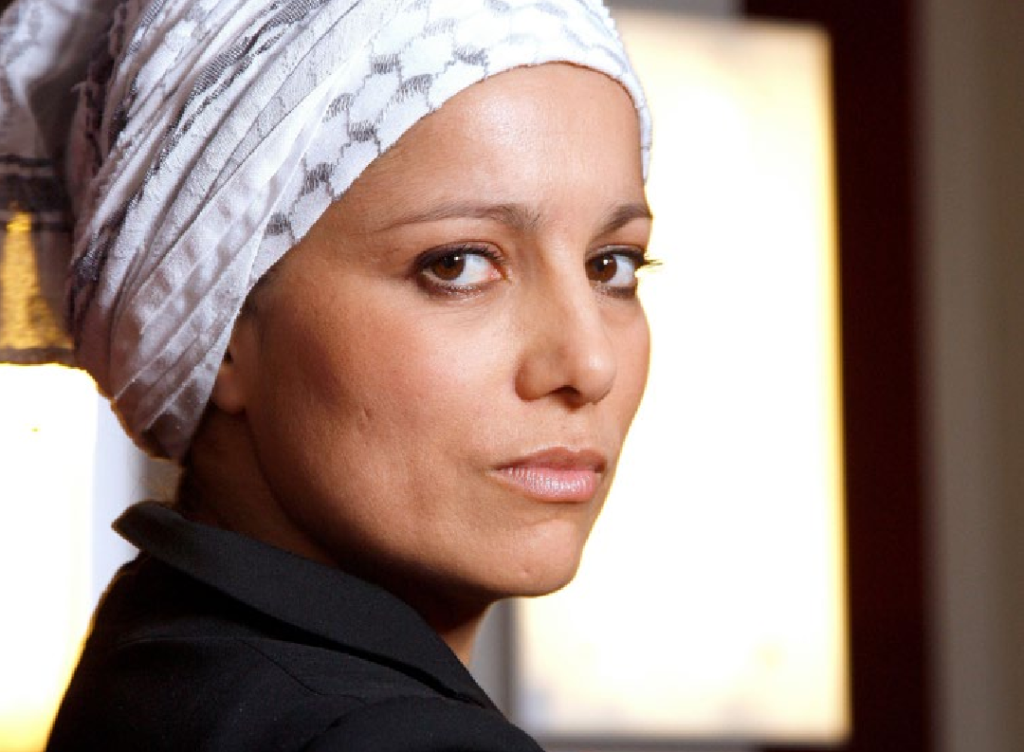
Houria Bouteldja
Houria Bouteldja (1973, Constantine, Algeria) is an intellectual, activist, and founder of antiracist movements in France. She migrated with her family as a child and studied foreign languages in Lyon. She worked at the Institut du Monde Arabe and the collective Une école pour tou-te-s. In 2004, she founded Les Blédardes, a feminist movement critical of the ban on headscarves in schools. She co-founded Indigènes de la République, which denounces French colonialism and the state’s structural racism. Recognized for her struggle against Islamophobia, she received the Islamic Human Rights Commission Award in 2014. She is the author of Les Blancs, les Juifs et nous (2016), which proposes a politics of revolutionary love and discusses solidarity, Islamophobia, antisemitism, and colonialism in Europe. The book was translated into Portuguese by Erick Araujo and Vladimir Moreira Lima and published by Papéis Selvagens (2023). Her second book, Beaufs et barbares: le pari du nous (2023), is scheduled for Portuguese translation and publication in 2025 by the same publisher.
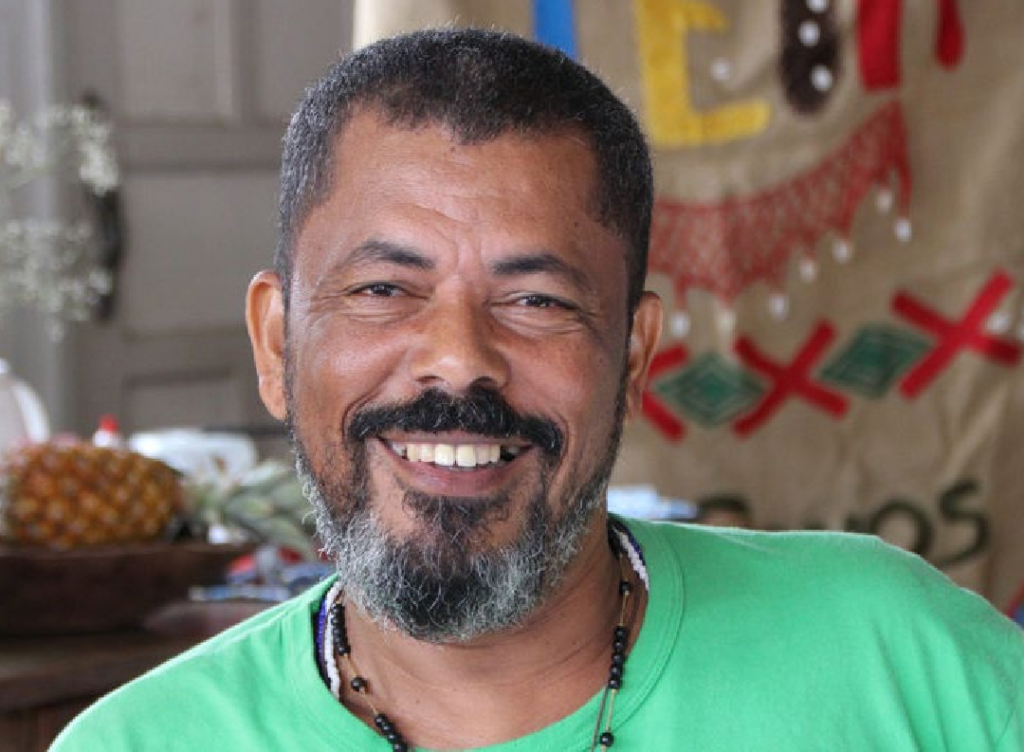
Joelson Ferreira
Teia dos Povos
Joelson Ferreira is one of Bahia’s most prominent social leaders. He was a leader in the Landless Workers’ Movement (MST) during land struggles in southern Bahia in the 1980s and 1990s. In 2012, he co-founded Teia dos Povos da Bahia, a network that brings together traditional, quilombola, Indigenous, landless, and urban communities in building a collective project of emancipation through a Black, Indigenous, and popular alliance. A resident of the Terra Vista settlement, a reference in agroecology, he is recognized as a popular intellectual. In 2022, he was awarded the title of Recognized Expertise by UFMG and is currently a visiting professor at UFBA. He is the author of Por terra e território: caminhos da revolução dos povos no Brasil (2021), As lutas existem pela nossa terra (2022), and Sonhando a Terra do Bem Virá – Zapatismo, autonomia e a Teia dos Povos (2025), co-authored with Alejandro Reyes.
PANELS
PANEL 1
OCT/07
COSMOTECHNICS
AND RACIALIZATION
Nina da Hora (Unicamp)
Rosana Castro (DAN/UnB)
Lucas Marques (USP)
Floriberto Vasquez (Universidad
Comunal del Cempoaltepetl)
Moderation: Kauã Vasconcelos (UFRJ)
Venue: Chapel (Capela)
PANEL 2
OCT/08
CULTIVATION AND CARE
Joana Cabral de Oliveira (Unicamp)
Adilson Almeida (Quilombo do Camorim)
Kristina Lyons (University of Pennsylvania)
Gabriel Holliver (UFRJ)
Moderation: Iby Montenegro (PUC-RJ)
Venue: Chapel (Capela)
PANEL 3
OCT/09
CREATION AND RECLAIMING
TECHNIQUES
Viviane Vedana (UFSC)
Thiago Mota Cardoso (UFAM)
Silvana Olivieri (UFBA)
Marcelo Paz Olajinmina (PPGPAT/
Casa de Oswaldo Cruz/ Fiocruz)
Moderation: Anelise Gutterres (LACED, UFRJ)
Venue: Chapel (Capela)
PANEL 4
OCT/10
UNDERGROUND HISTORIES
Andrea Ballestero (USC)
Lucas Coelho Pereira (UFPB)
Maria Raquel Passos Lima (UERJ)
Rafael Gustavo de Oliveira (UFPR)
Moderation: Ana Clara Chequetti (UERJ)
Venue: Chapel (Capela)

Location
UERJ (Rio de Janeiro State University)
MARACANÃ CAMPUS
São Francisco Xavier Street, n. 524
Maracanã, Rio de Janeiro
RJ, 20550-013
Responsible Committee
ANELISE GUTTERRES (LACED, UFRJ)
IBY MONTENEGRO DE SILVA (PUC-RJ)
FELIPE SÜSSEKIND (PUC-RJ)
GABRIEL HOLLIVER (UFRJ)
JOÃO NOVELLO WHATELY (PUC-RJ)
JOÃO VÍTOR VELAME (UERJ)
JULIA SÁ EARP (UFRJ)
KAUÃ VASCONCELOS (UFRJ)
MARINA NUCCI (UERJ)
RODRIGO C. BULAMAH (UERJ)
VICTOR AMANTE (UFRJ)
Organizing Committee
ANA CLARA CHEQUETTI (UERJ)
ANA PAULA ALVES RIBEIRO (UERJ)
ANELISE GUTTERRES (LACED, UFRJ)
JULIA SÁ EARP (UFRJ)
MARIA RAQUEL PASSOS LIMA (UERJ)
MARINA NUCCI (UERJ)
RODRIGO C. BULAMAH (UERJ)
ZOY ANASTASSAKIS (ESDI-UERJ)
Accessibility and Parenting Committee
ANELISE GUTTERRES (LACED, UFRJ)
MARINA NUCCI (UERJ)
RODRIGO C. BULAMAH (UERJ)
Monitoring and Affirmative Action Committee
IBY MONTENEGRO DE SILVA (PUC-RJ)
GABRIEL HOLLIVER (UFRJ)
JOÃO VÍTOR VELAME (UERJ)
KAUÃ VASCONCELOS (UFRJ)
Accommodation and Transportation Committee
ANELISE GUTTERRES (LACED, UFRJ)
IBY MONTENEGRO DE SILVA (PUC-RJ)
FELIPE SÜSSEKIND (PUC-RJ)
GABRIEL HOLLIVER (UFRJ)
RODRIGO C. BULAMAH (UERJ)
VICTOR AMANTE (UFRJ)
Communication Committee
ANELISE GUTTERRES (LACED, UFRJ)
IBY MONTENEGRO DE SILVA (PUC-RJ)
FELIPE SÜSSEKIND (PUC-RJ)
GABRIEL HOLLIVER (UFRJ)
HELEN AVELINO (UFRJ)
JOÃO NOVELLO WHATELY (PUC-RJ)
JOÃO VÍTOR VELAME (UERJ)
JULIA SÁ EARP (UFRJ)
KAUÃ VASCONCELOS (UFRJ)
VICTOR AMANTE (UFRJ)
Visual Identity
AFLUENTE STUDIO
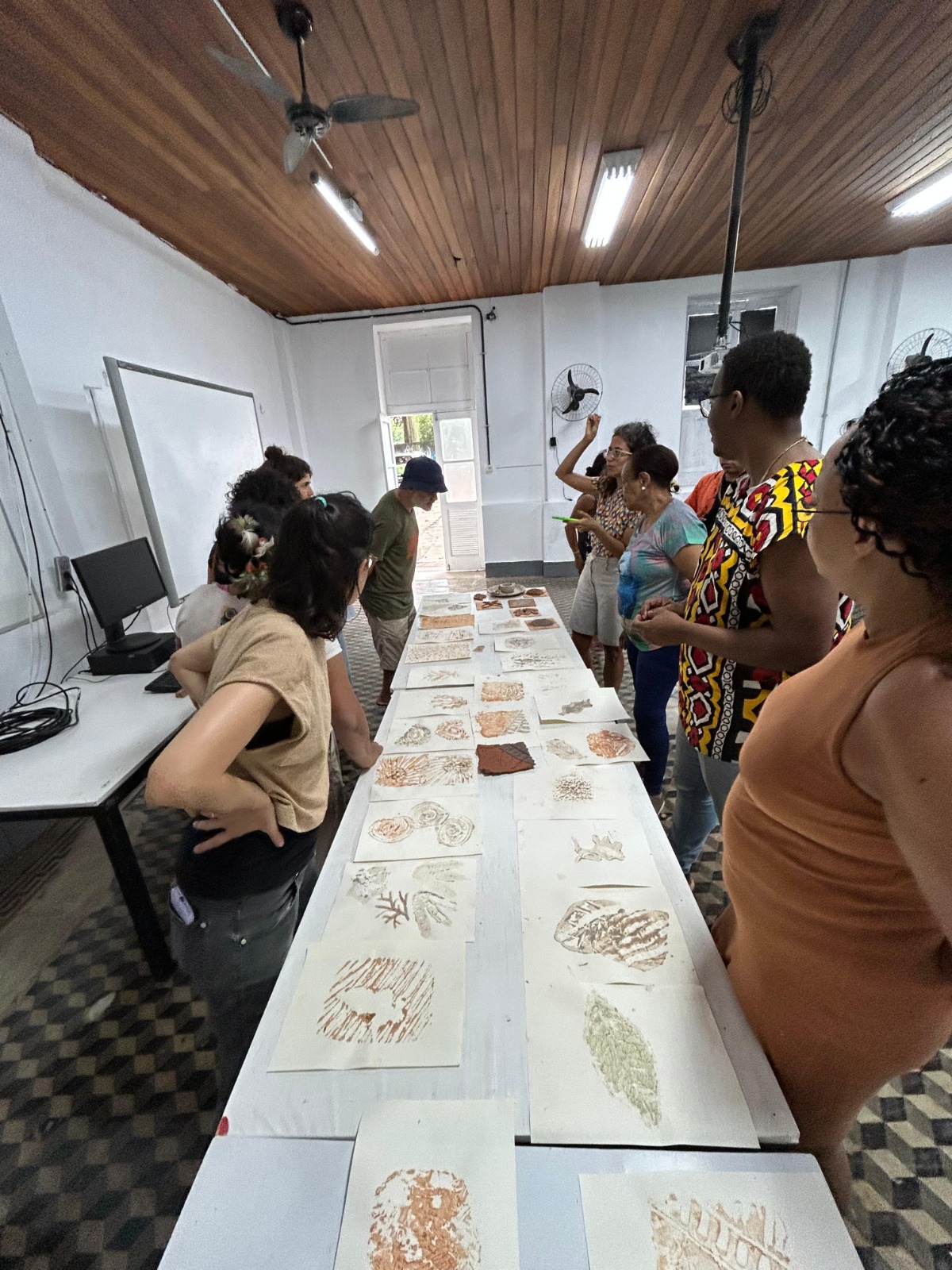
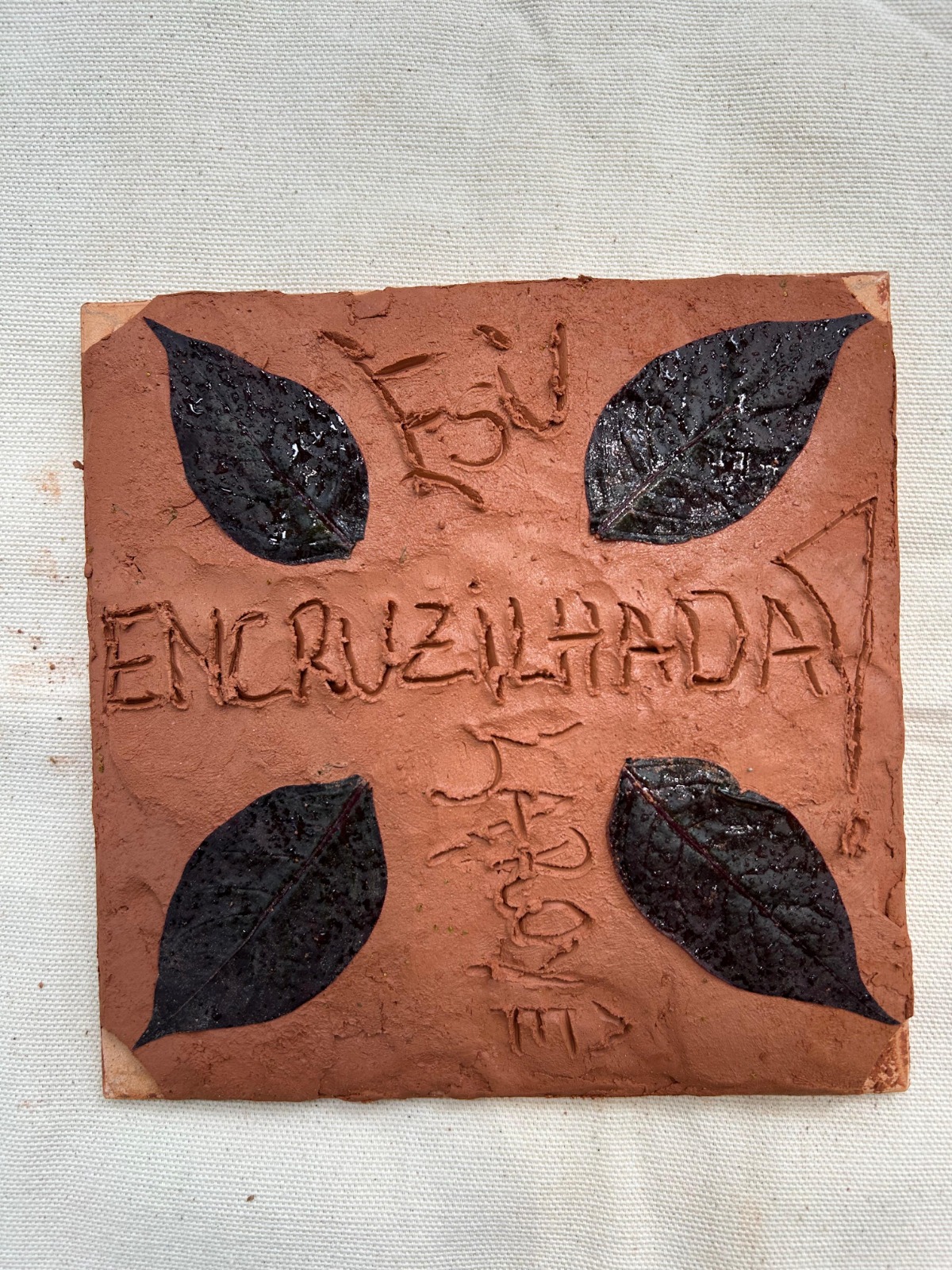
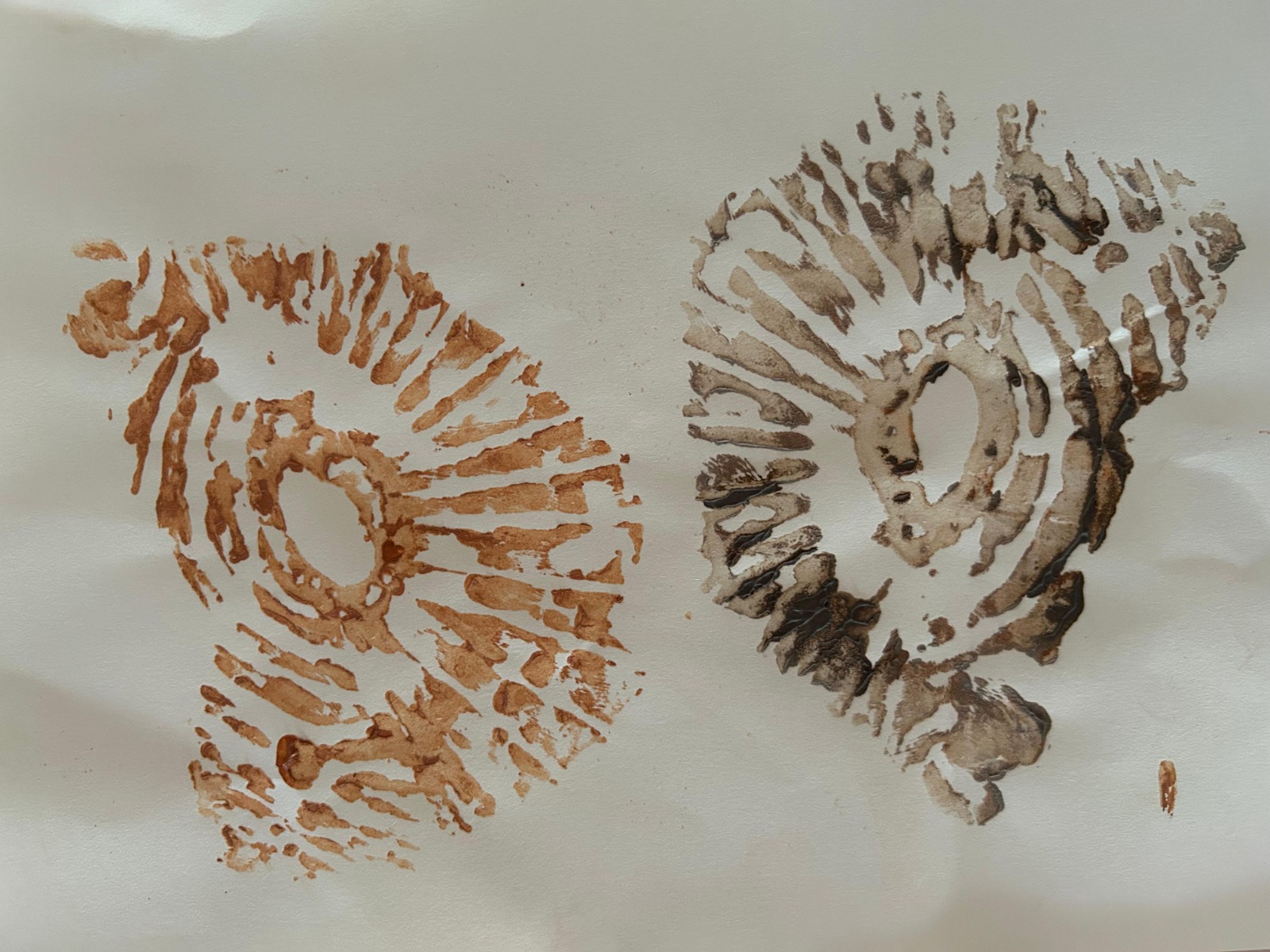
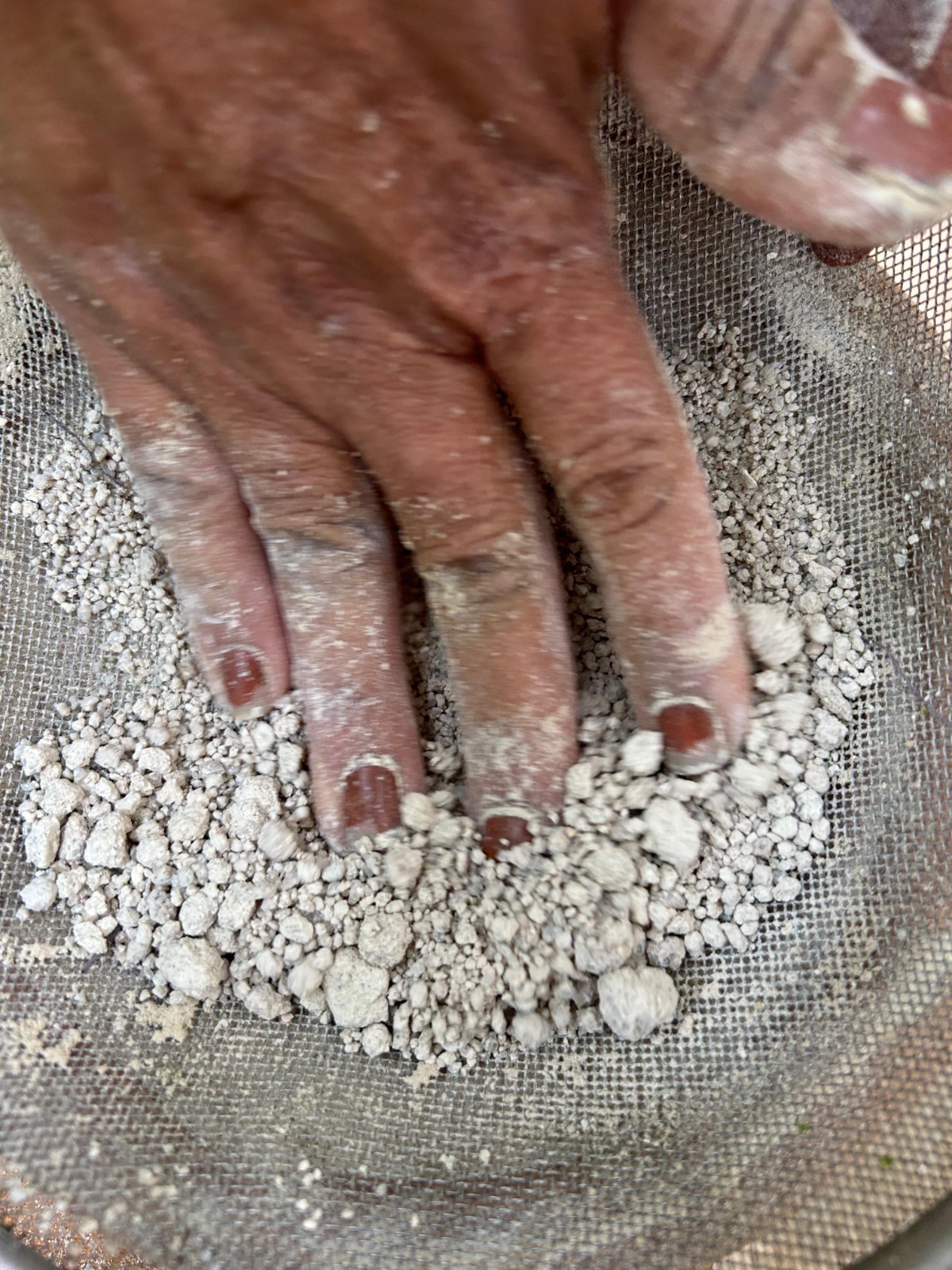
THE ART OF ReACT
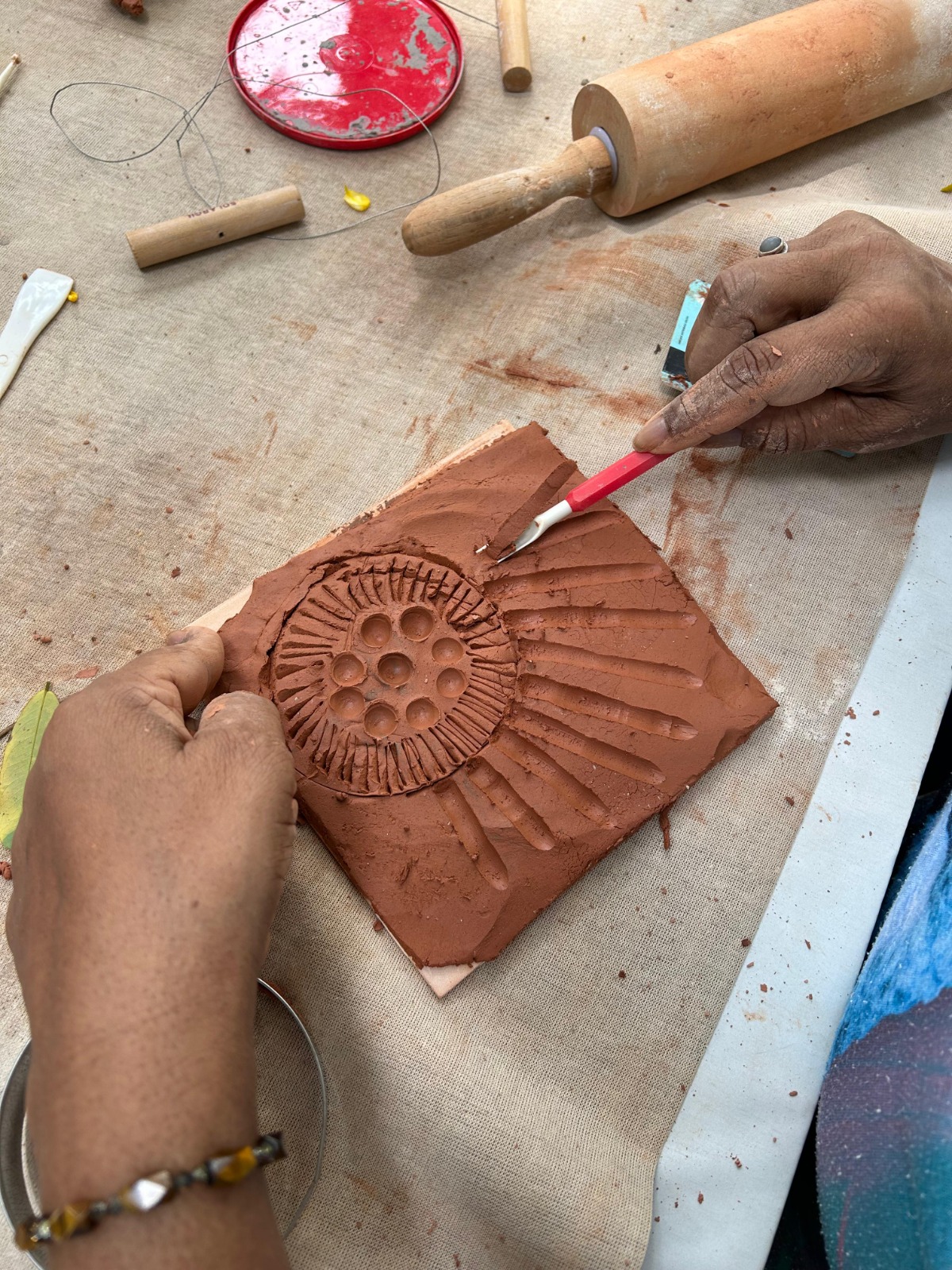
The germinating words of Antônio Bispo inspired the preparation of the 10th Anthropology of Science and Technology Meeting, pushing us to meet, exchange, talk and practice with care and attention to this Meeting to come.
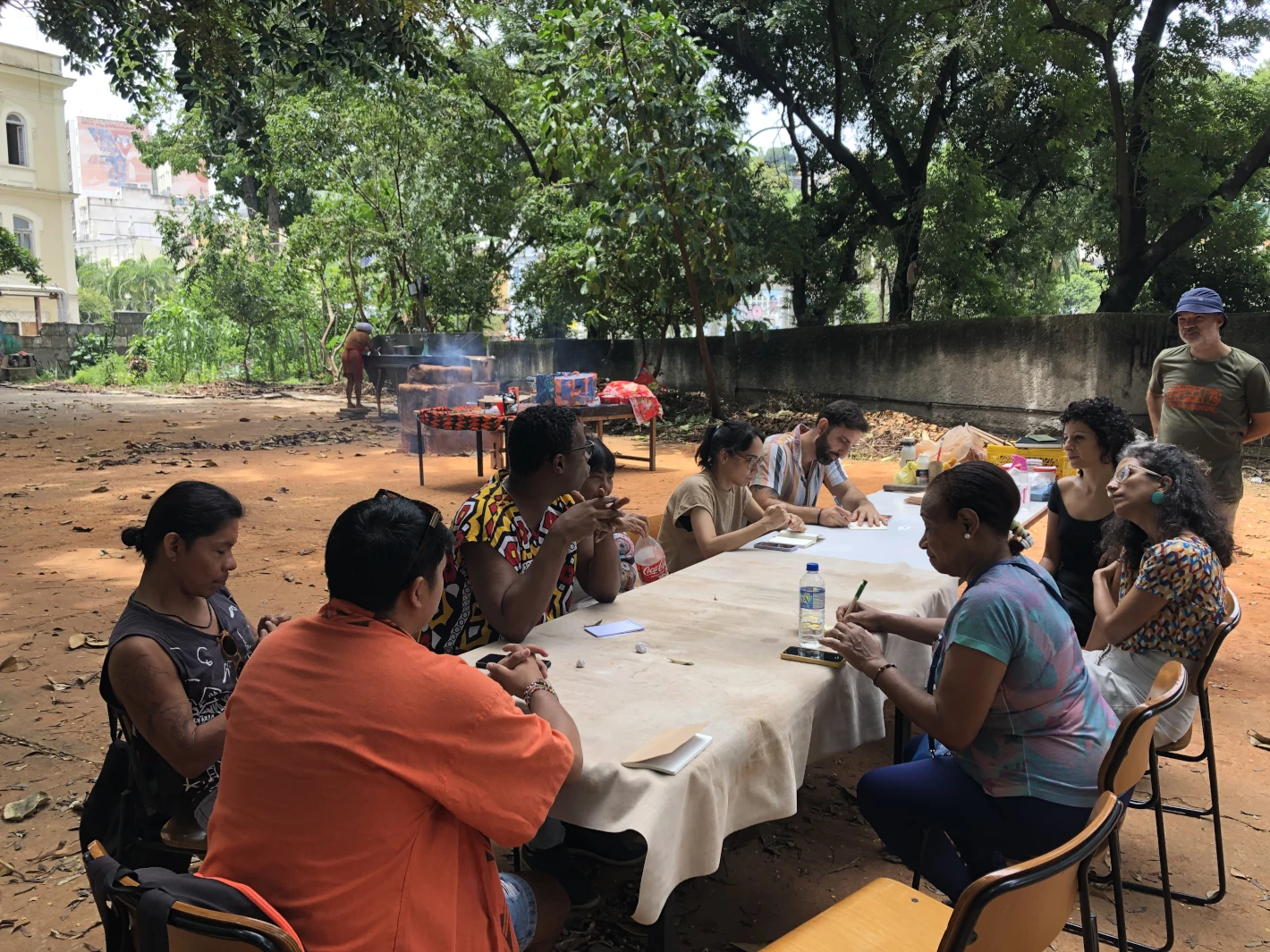
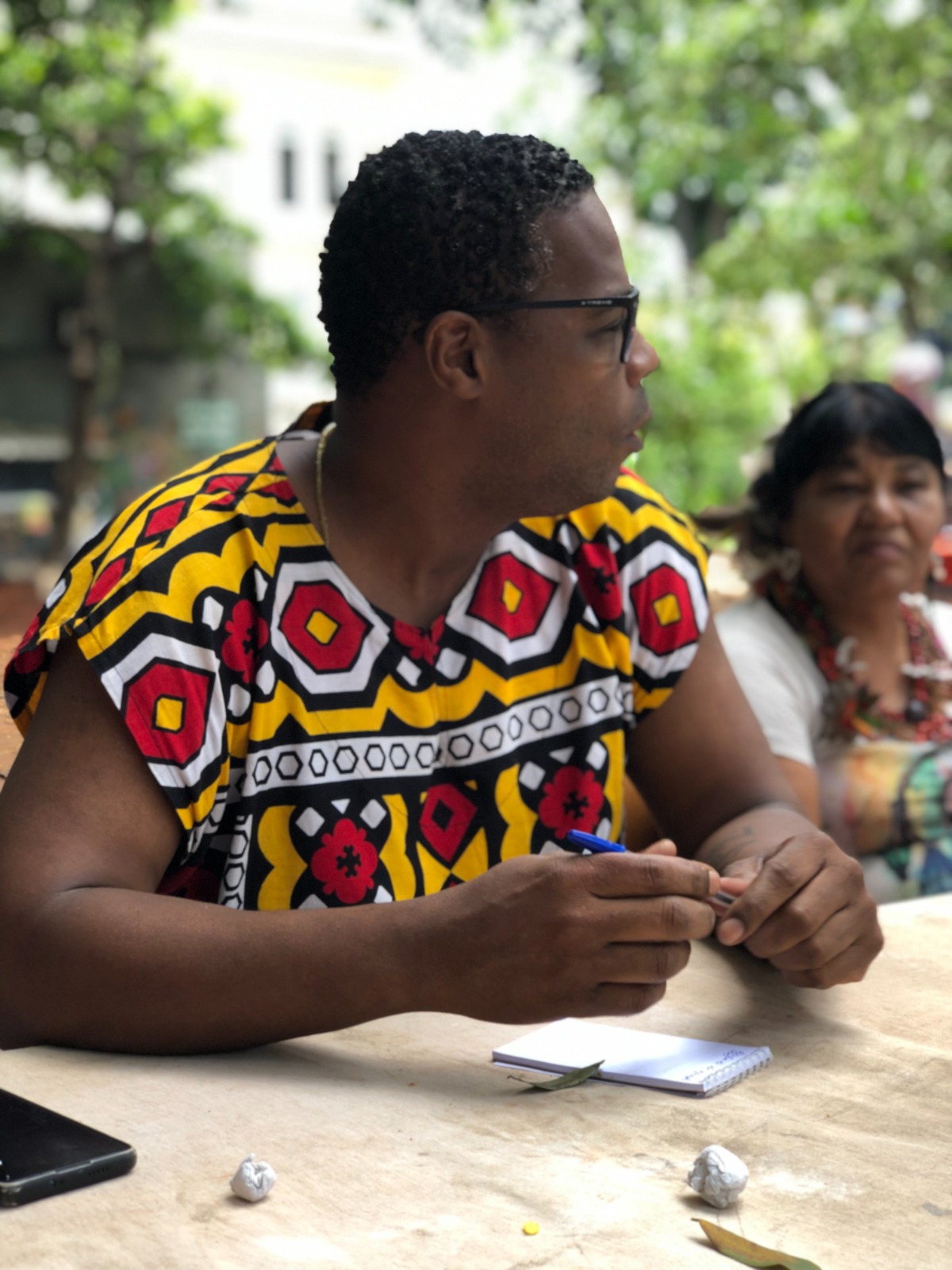
In this journey, confluence was both an invitation and a challenge. It is with this motto that the Scientific Committee, together with the designers from Estúdio Afluente, invited a group of masters involved in the “Cuisine of Traditions” research project (ESDI/UERJ) to a meeting with the aim of generating elements and visuals for the identity of the 10th ReACT.
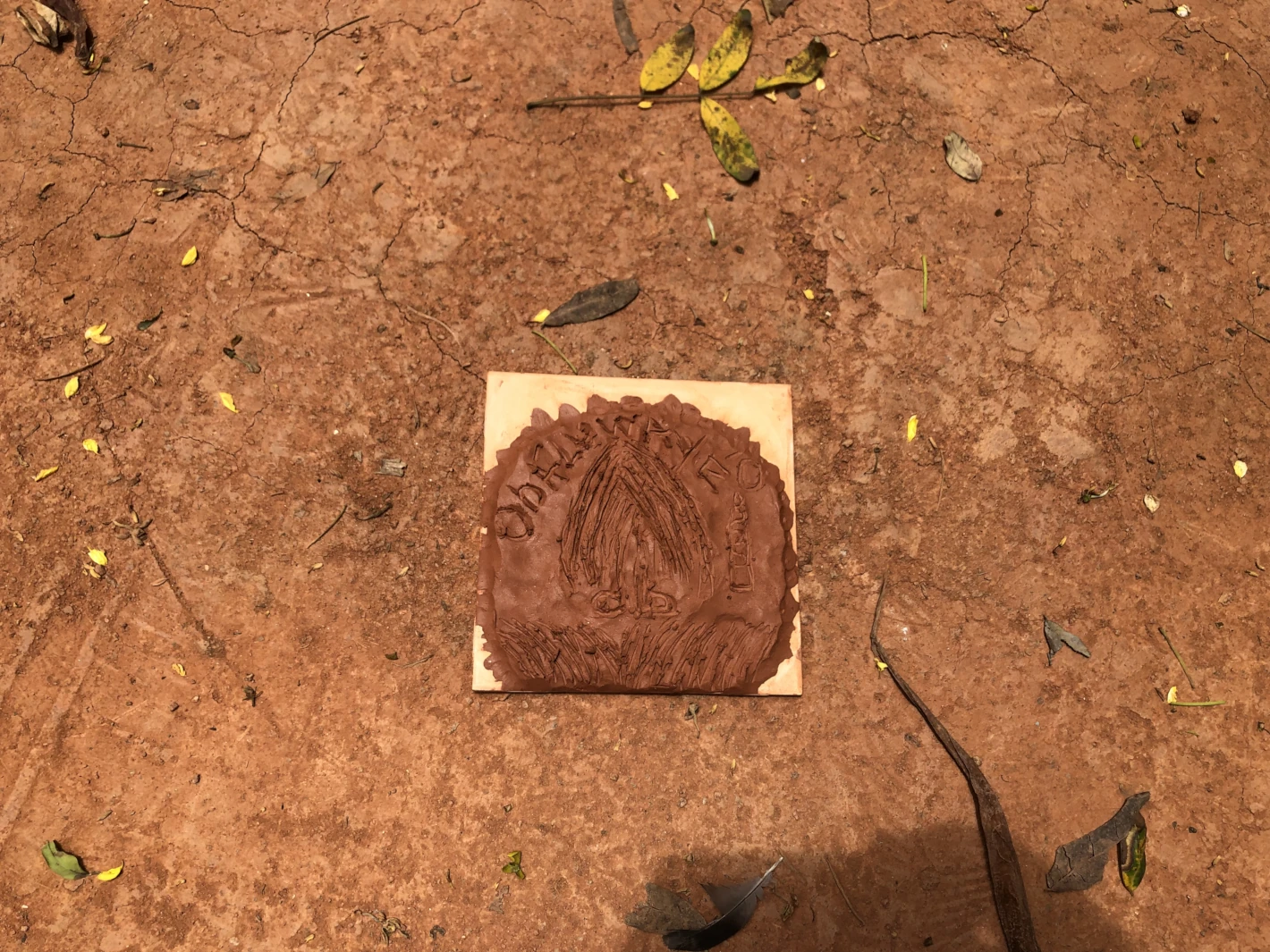
The making of the images was inspired by a round of conversations about how Bispo’s words resonate with each person. What images and memories could be “germinating”? Using clay plates as matrices for printing drawings and natural elements, we experimented with engaging in a grounded and careful way to co-create both a visual identity for the event and links that would inspire proposals for the composition of workshops during the 10th ReACT.